
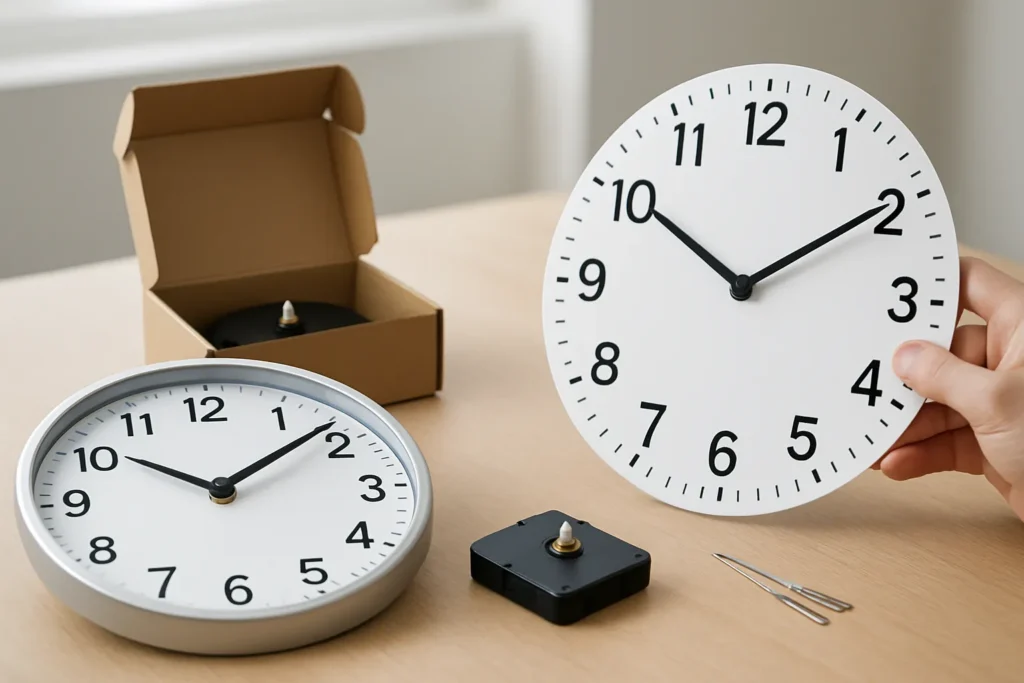
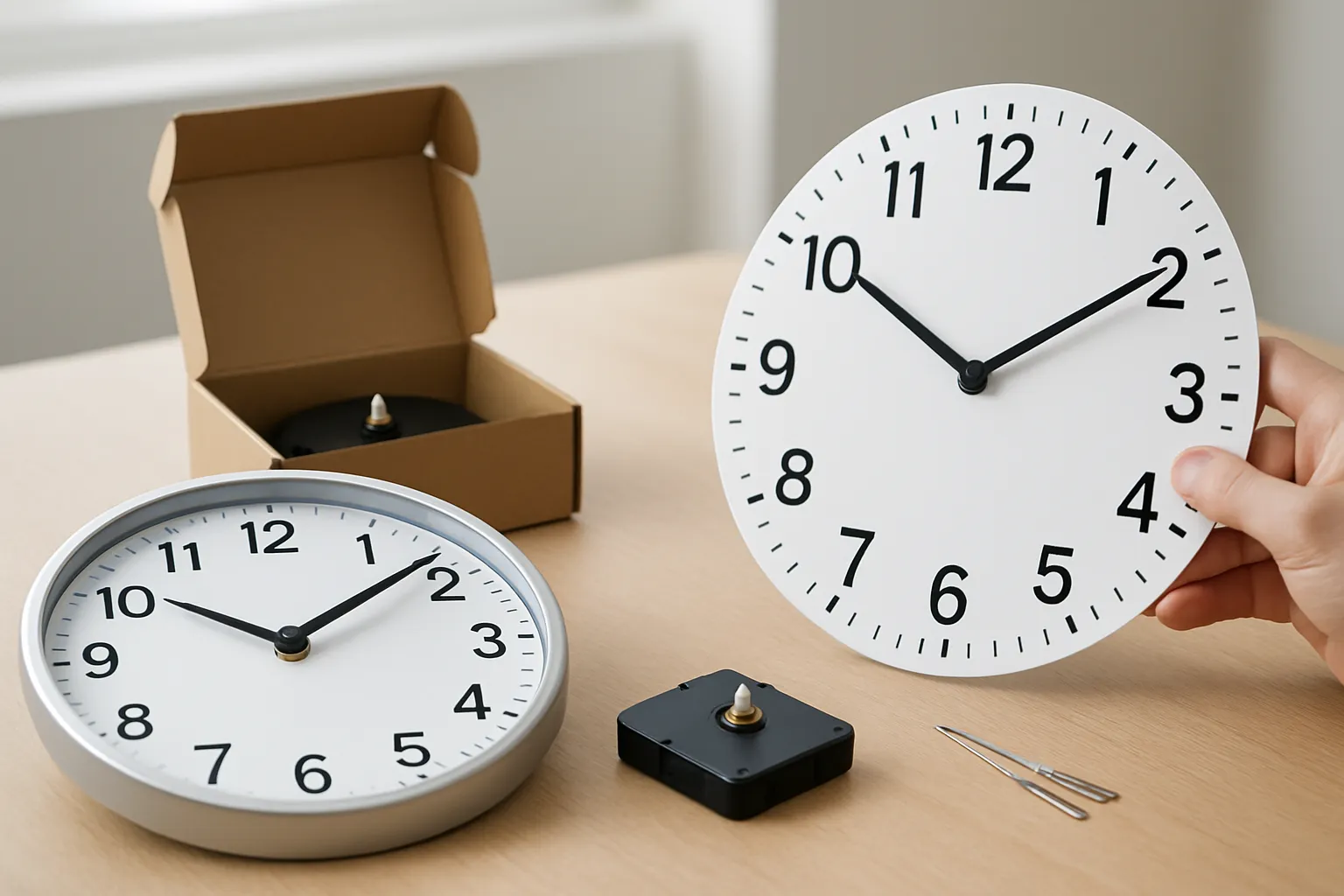
Introduction to Custom Clock Production
In the dynamic landscape of modern business, custom clocks have become an essential tool for both branding and marketing. They not only fulfill a practical function but also enhance the visual appeal of office environments, making them a vital component of corporate identity. Tailored to reflect a company’s branding, custom clocks prove to be effective promotional items. To ensure high-quality custom clock production, partnering with the right OEM clock supplier is crucial. This article will guide you through the process of selecting an OEM clock supplier that aligns with your business needs.
Key Specifications to Consider
When embarking on custom clock production, several specifications must be evaluated to ensure the final product meets your expectations.
Material and Design Options
The choice of material in clock production can significantly influence both appearance and durability. Common materials include wood, metal, plastic, and glass. Each option offers unique design possibilities and can be customized to fit your brand’s aesthetic. Personally, I believe that opting for materials that resonate with your brand identity can create a lasting impression. Consider whether you prefer a modern look or a classic design, as this will guide your material selection.
Size and Functionality
The clock’s size should not only fit the intended space but also serve its functional purpose effectively. Custom clocks can vary from small desk models to larger wall installations. In my experience, it’s essential to consider where the clock will be displayed and its intended use. This thought process will help determine the appropriate size and functionality.
Technology and Features
Today’s clocks often come equipped with various technological features, such as digital displays, Bluetooth connectivity, or smart functionalities. Assessing the technological aspects of your custom clock is crucial, especially if you envision it serving a dual purpose, such as being both a timekeeper and a marketing tool.
Use Cases for Custom Clocks
Custom clocks can be utilized in several contexts, making them versatile promotional tools.
Corporate Branding Opportunities
Custom clocks can be designed to incorporate your company logo, colors, and messaging. They serve as a constant reminder of your brand to clients and employees alike, reinforcing brand identity in the workplace. From what I have seen, well-designed clocks can spark conversations and create a more engaging environment.
Promotional and Marketing Uses
Offering custom clocks as promotional items can significantly boost your marketing efforts. They can be distributed at trade shows, conferences, or corporate events, providing a practical item that recipients will appreciate and use, thus keeping your brand top of mind. For more insights on effective promotional items, check out our article on choosing the best wholesale decorative clocks.
Event and Trade Show Applications
Custom clocks can also be tailored for specific events, like product launches or anniversaries. They can be designed to commemorate significant milestones, making them memorable keepsakes for attendees. In my opinion, these clocks can serve as a powerful reminder of the event and your brand’s presence.
Comparing OEM Clock Suppliers
Finding the right OEM clock supplier requires careful evaluation of several factors.
Evaluating Supplier Experience
Experience is a critical factor when choosing an OEM clock supplier. Look for suppliers with a proven track record in custom clock production. Their experience often translates into better quality and reliability in the final product. For additional information on evaluating suppliers, consider checking this industry reference.
Assessing Quality and Reliability
Quality assurance is paramount in custom clock production. Request samples to evaluate the craftsmanship and materials used. A reliable supplier should be able to provide references or case studies showcasing their previous work. I believe that investing time in this step can save you from potential disappointments later on.
Price vs. Value Considerations
While cost is always a consideration, it should not be the sole deciding factor. Assess the value offered by the supplier, including the quality of materials, design capabilities, and customer service. A slightly higher investment can yield a superior product that effectively represents your brand.
Sourcing the Right OEM Clock Supplier
Once you’ve identified potential suppliers, the next step is to narrow your choices.
Researching Potential Suppliers
Conduct thorough research to compile a list of potential OEM clock suppliers. Utilize online directories, trade shows, and industry recommendations to find reputable suppliers. In my experience, networking within your industry can also reveal hidden gems.
Requesting Samples and Prototypes
Before making a final decision, request samples or prototypes of the clocks. This will help you gauge the quality and craftsmanship of the supplier’s work, ensuring that it meets your standards. I find that seeing and feeling the product often provides clarity that digital images cannot convey.
Understanding Lead Times and Minimum Orders
Discuss lead times and minimum order quantities with suppliers. Understanding these logistics will help you plan your production timeline and budget accordingly. This step is often overlooked but can be critical to your project’s success.
Implementation Process
Once you’ve selected an OEM clock supplier, follow these steps to ensure a smooth order process.
Steps to Finalize Your Order
Finalize your order by confirming design specifics, quantities, and pricing. Ensure that all details are documented to avoid misunderstandings later in the process. I recommend double-checking everything before moving forward.
Communication and Collaboration with Suppliers
Maintain open lines of communication with your supplier throughout the production process. Regular updates will help you stay informed about the progress and address any potential issues promptly. In my opinion, proactive communication is key to a successful partnership.
Quality Control Measures
Implement quality control measures to ensure that the final product aligns with your expectations. This can include on-site inspections or detailed quality checks before shipment. I believe that thorough quality checks can prevent costly mistakes.
Frequently Asked Questions
What is the typical turnaround time for custom clocks?
The turnaround time for custom clocks can vary based on the supplier and the complexity of the design. Generally, it ranges from a few weeks to a couple of months.
How do I ensure my design is feasible?
Discuss your design ideas with your supplier early in the process. They can provide insights on what is feasible based on materials and production capabilities.
What are the payment and shipping options?
Most suppliers offer various payment options, including credit terms, deposits, or full payment upfront. Shipping options can also vary, so be sure to discuss this with your supplier to find the best solution for your needs.
Conclusion
Choosing the right OEM clock supplier is a critical step in the custom clock production process. By considering key specifications, evaluating suppliers, and maintaining clear communication, you can ensure that your custom clocks effectively represent your brand and serve their intended purpose. Whether for corporate branding, promotional use, or event applications, custom clocks can be a valuable addition to your marketing toolkit.